Teatro Real in NYC: Fire, Guitar, Legend
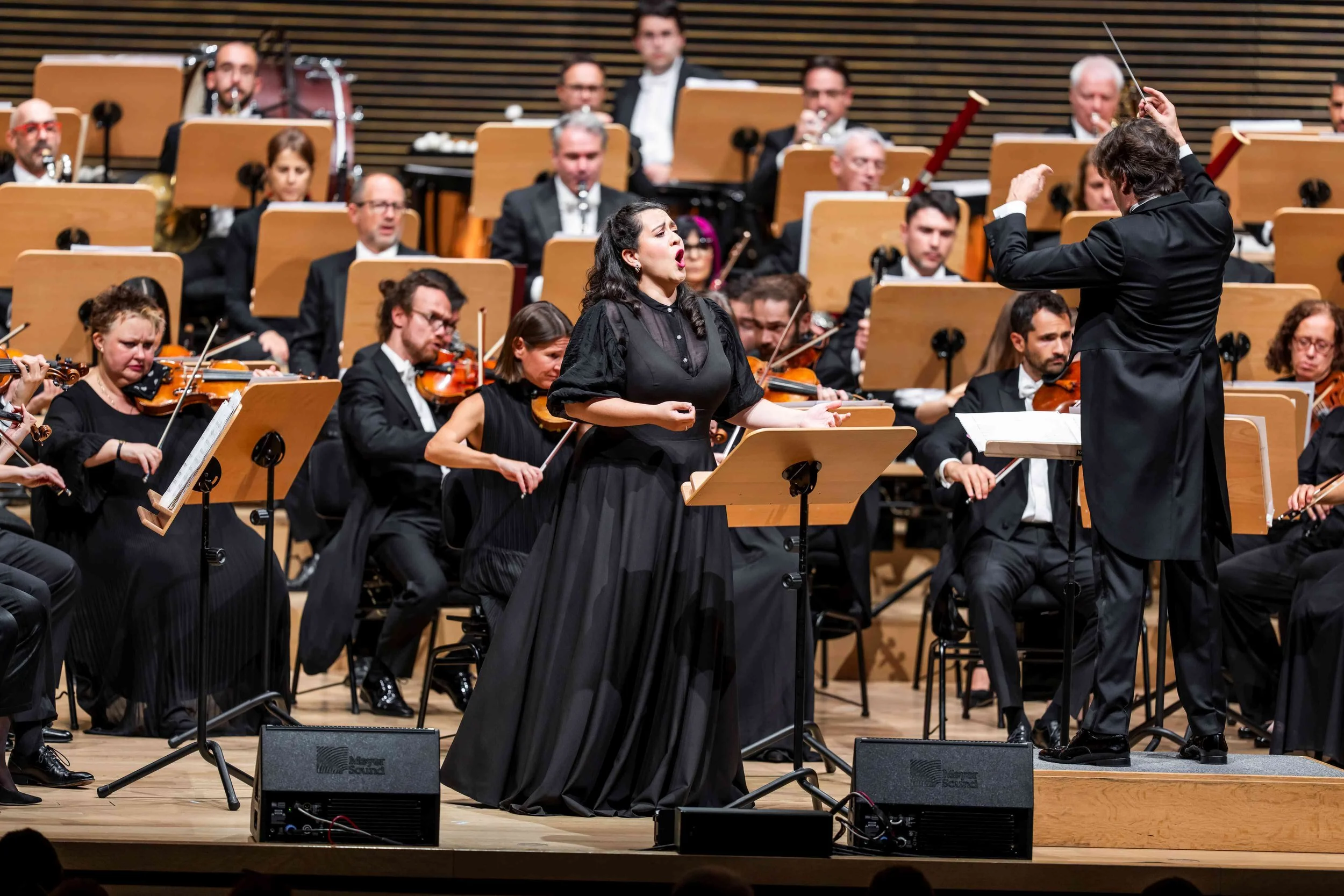
Photo Credit: Chris Lee
On October 15, 2026, Teatro Real returned to New York City as part of their fifth tour of the United States. Led by conductor Gustavo Gimeno, the concert consisted of a number of traditional, Spanish programming, with some interesting twists. The artistry and passion of the company is what made that evening’s concert an exciting and aurally-excellent affair.
Kicking things off was the ‘Introduction and Scene’ of Manuel de Falla’s ‘El amor brujo.’ This bold opening unfolded with massive, brassy chords before settling into a weighty, but fast texture of various runs over the constant motion of the strings. Hearing this theme across the altering dynamics made for a magnetic opening to the concert, thanks to the richness of Gimeno and orchestra’s interpretation. While the other three sections of the work were listed on the program, only the opening was performed that night.
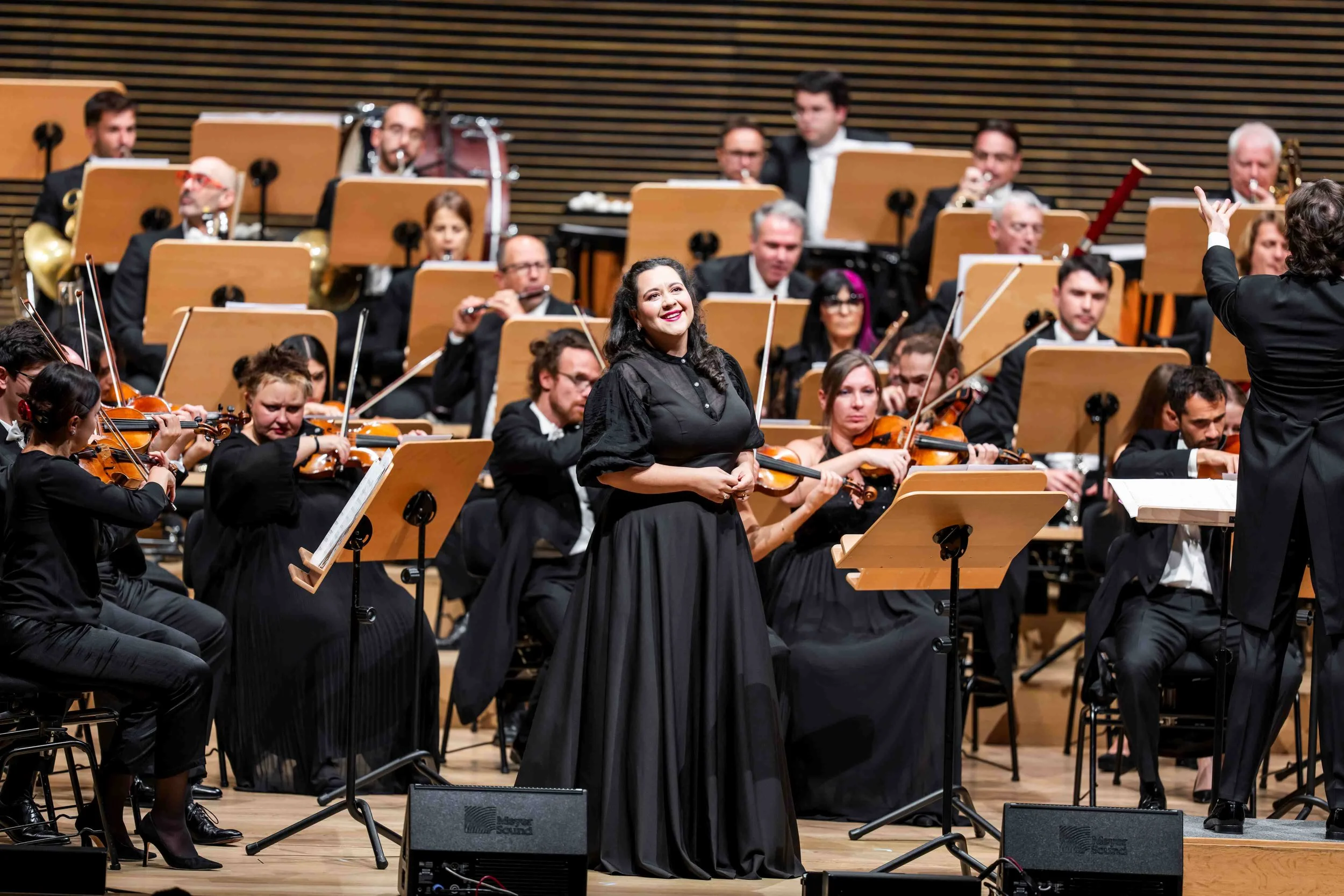
Photo Credit: Chris Lee
Following this, soprano Adriana Gonzalez joined the company to continue the de Falla with his ‘Seven Popular Spanish Songs.’ The opening ‘El pano moruno’ carried with a sultry but lighthearted flair as Gonzalez let loose with roulades of lower, soprano colors backed by the lower winds and castanets. With the following ‘Seguidilla murciana,’ Gonzalez displayed an arresting gravity as she navigated the despondent measures with lyrical prowess and consistency of tone.
After this selection, Gonzalez encored with ‘Goizeko eguzki argiak,’ a soprano aria in the Basque language from Jesus Guridi’s opera ‘Mirentxu.’ This aria made for a gorgeous showcase as Gonzalez softly oscillated from a rich, earthly affection to ever-greater emotional heights through truly stunning pianissimos across the tender measures. This brief yet poignant number made a powerful impression and was answered with much applause from the audience.
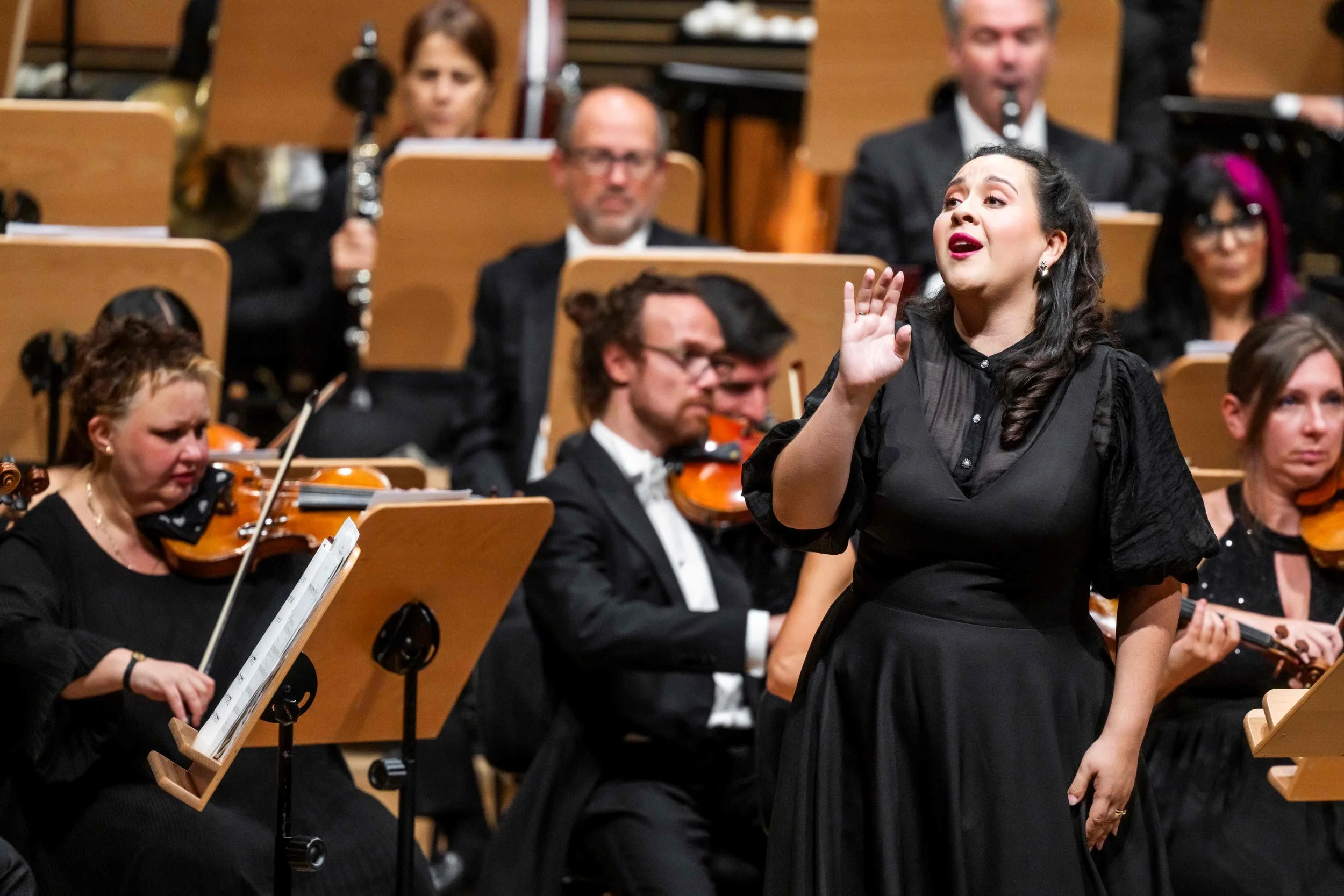
Photo Credit: Chris Lee
Next on the program was Joaquin Rodrigo’s ‘Concierto de Aranjuez,’ played by guitarist Juan Miguel Cañizares. The initial ‘Allegro con spirito’ featured an energetic dialogue between the guitar and orchestra as they passed the theme back and forth, seamlessly melding back together as Cañizares employed strummed technique interspersed with deft, melodic runs. The ensuing ‘Adagio’ was suitably opened by the solitary wind measures, with the light interjections of Cañizares’ guitar building into a charged yet relaxed atmosphere. The closing ‘Allegro gentile’ opened with a stately energy that wasted little time as it picked up with heightened stings from the strings, sudden sostenutos, and much more.
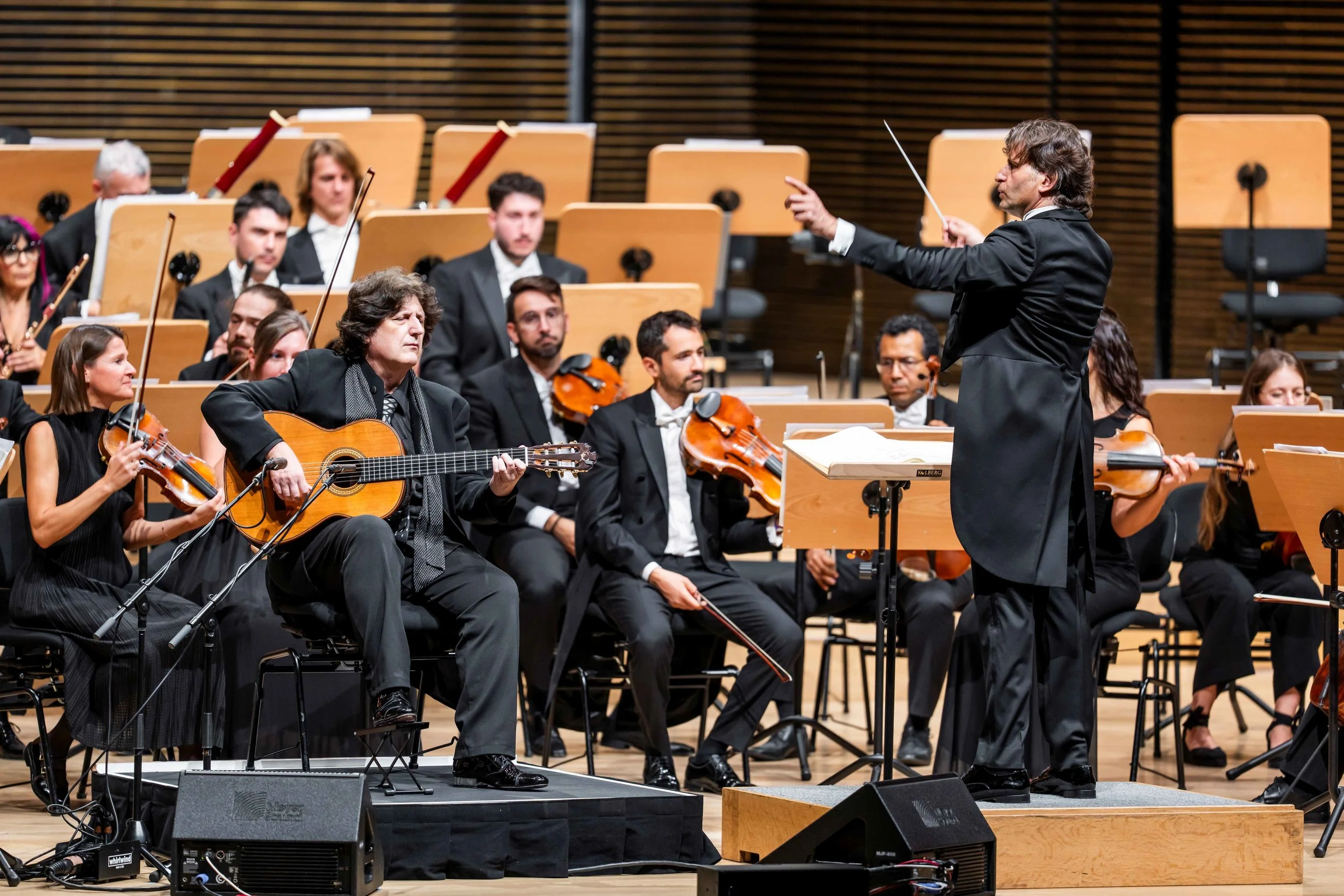
Photo Credit: Chris Lee
Cañizares followed this soulful work with an encore of ‘Cadiz’ from his ‘Al-Andalus Suite.’ This solo number made for a truly impressive showcase of his technical and artistic prowess as the strummed, plucked, and percussive elements blended into a swift, elegant texture for Canizares to mold as he saw fit.
The second half of the program consisted of Nicolai Rimsky-Korsakov’s ‘Scheherazade, op. 35.’ This expansive work was a rich exploration of orientalist textures, with the company delivering an interpretation that skillfully merged these qualities with ample amounts of expressivity over its hour-or-so length.
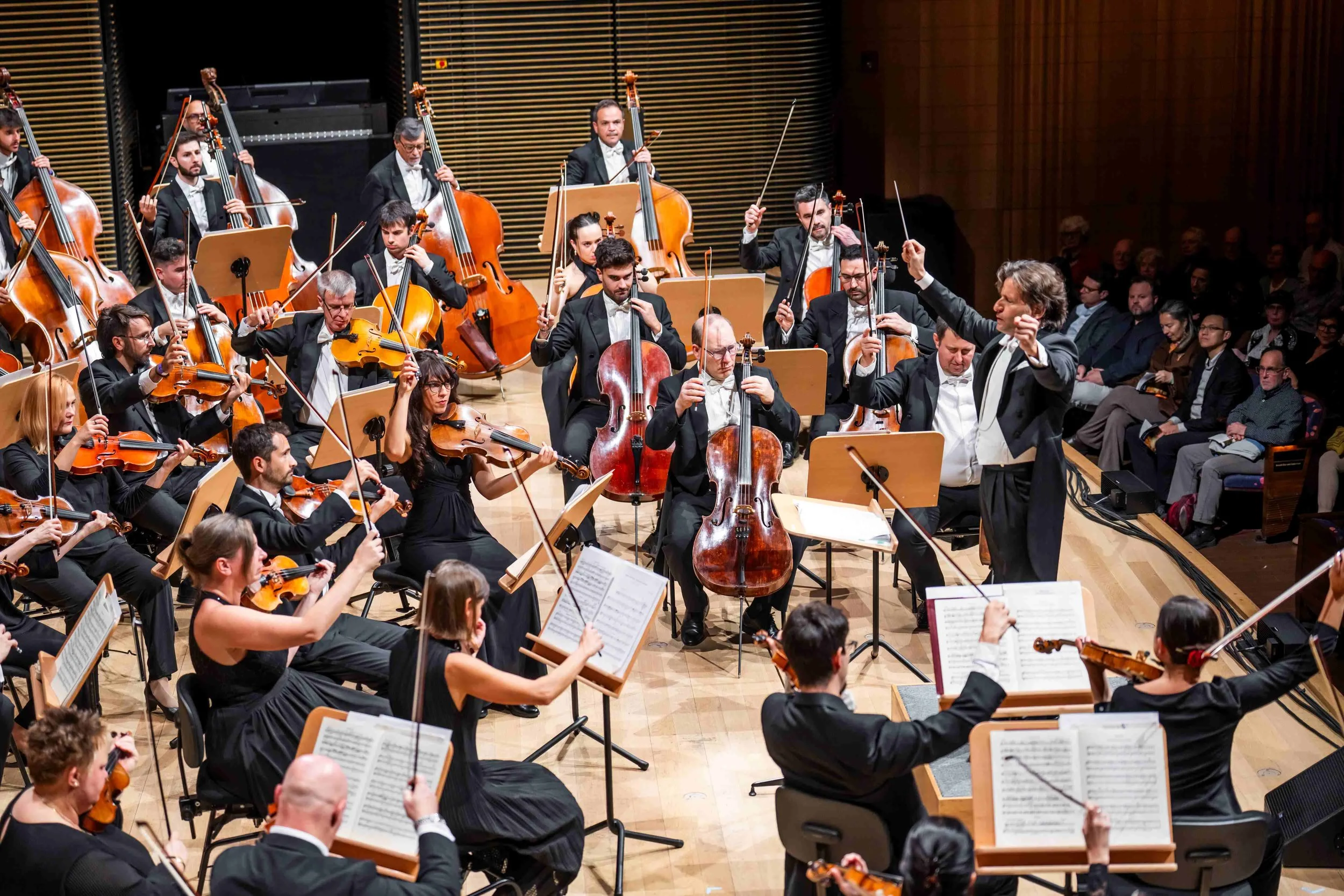
Photo Credit: Chris Lee
Thursday’s concert can be considered a great success as Gimeno, orchestra, and guests brought all their gifts to bear, seizing the audience’s attention nearly the entire night. The program itself, I felt, was rather orthodox, mostly due to seeing de Falla programmed relatively often in recent memory from other companies. While I can honestly say their ‘Scheherazade’ was a sonorous as it was vast, I felt the second half of the concert could have showcased less-known works, and I believe this is why the encores of that night were as impactful as they were. The concert nonetheless was highly enjoyable, and Teatro Real is sure to spread their passion with the remaining cities on their American Tour, before they ready to take their talents to venues in China and India as part of their internationalization project.
-Logan Martell