

ABT 2026: Onegin
by Zordan Photography
June 25, 2026 saw American Ballet Theatre return to the Metropolitan Opera for an intoxicating performance of John Cranko’s ‘Onegin.’
This neoclassical powerhouse marries the beauty of Tchaikovsky’s score, conducted this night by Ormsby Wilkins, with the inventiveness and energy of Cranko’s choreography, resulting in a compelling distillation of Pushkin’s witty yet poignant verse novel.
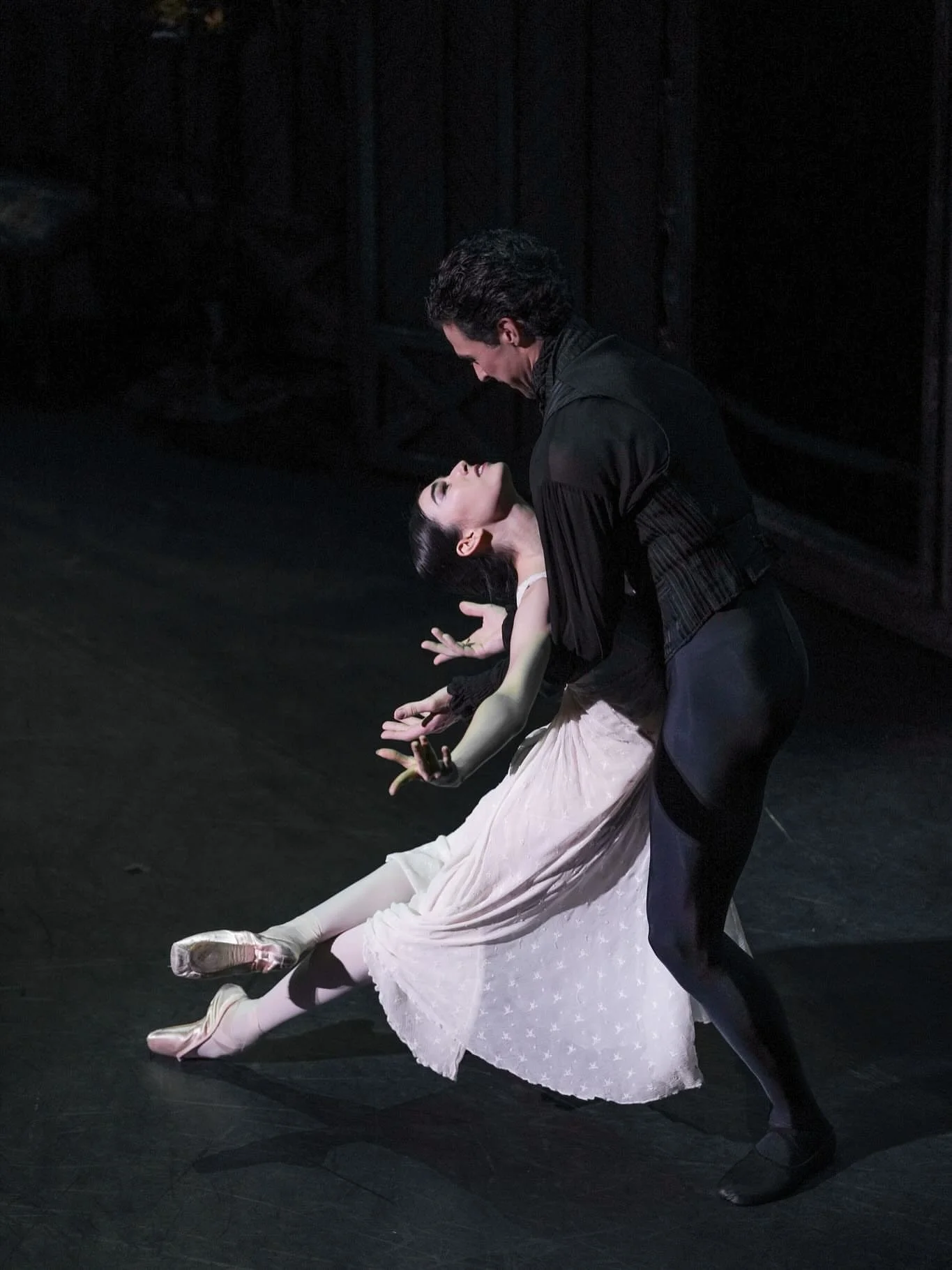
Dancing the role of Tatiana this evening was Chloe Misseldine, who brought a captivating elegance and vulnerability through her interpretation. Her earlier scenes carried with a cute energy as she was teased by Olga or participated in the mirror game, before her introduction to the titular character brought great nuance to her expressions and gestures. Their initial dance was well-handled, and while their characters’ introverted natures kept them at a certain distance as they went in and out of partnered phrases, there was a palpable sense of romantic yearning and unrequitedness which beautifully tinged this calmer moment.
Her pas de deux for the letter scene was a spectacle of passion and athleticism, and remains one of the highlights in a ballet with so much to enjoy. Misseldine displayed breathtaking en l’air turns and more as she soared or was carried through the many charged heights of the choreography, all building to an exultant lift held against its powerful, romantic theme before the dream sequence began to unwind back into waking.
This endearing vulnerability also played beautifully into her ensuing rejection in the second act, the audience could feel the despair handed to her by the uncaring Onegin, and similarly hope for a better result when she dance for Prince Gremin, with Misseldine employing soft arabesques and fluid chaines carried by slowly-building energy as she gave glimpses into the more-regal woman Tatiana would later become.
by Zordan Photography
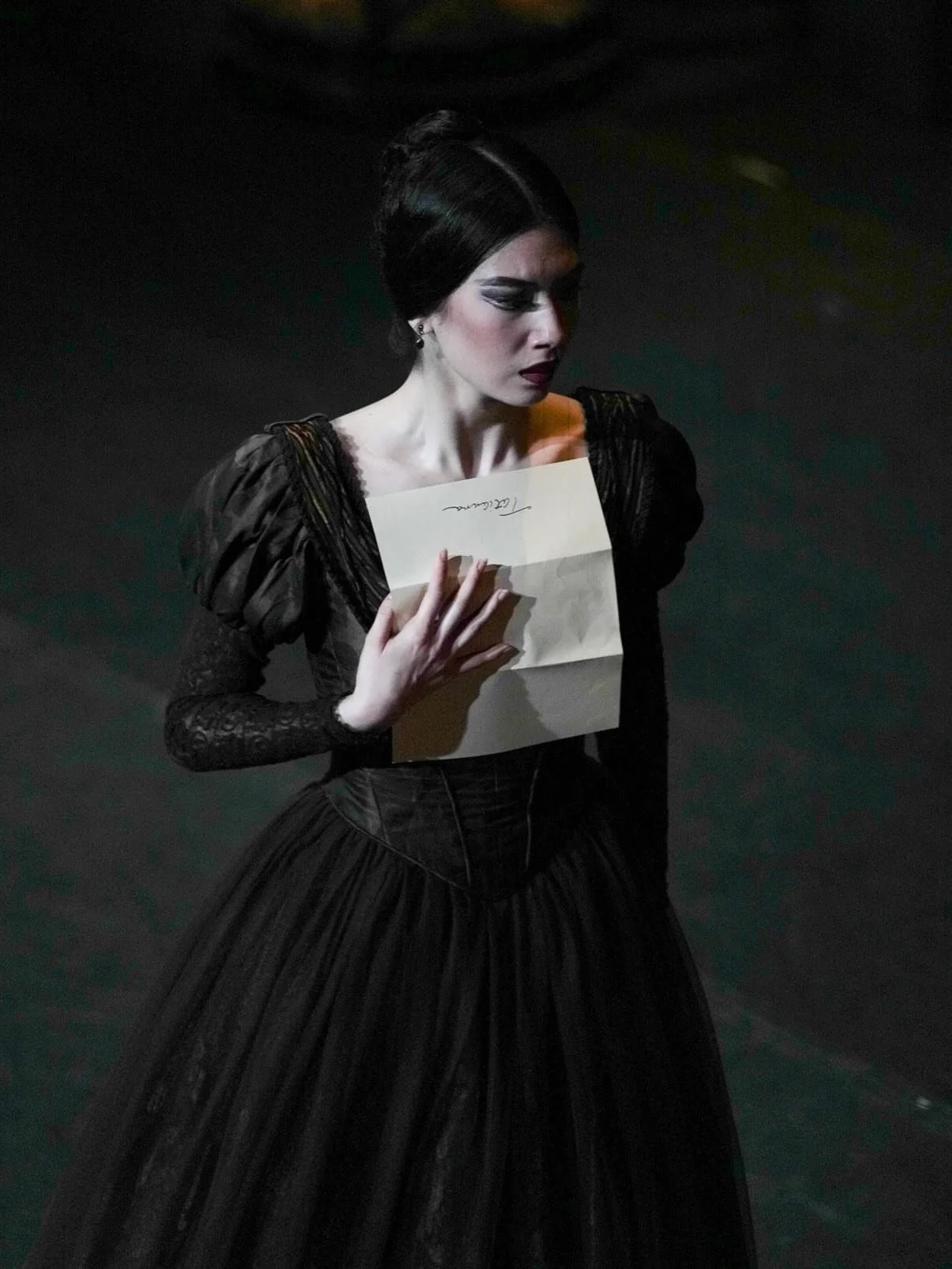
In the title role, Thomas Forster was magnetic, brooding, and expertly prepared for the dramatic and physical demands of the part. His courteous entrance and moments with Tatiana were tinged with sufficient distance as Onegin’s attention is constantly drawn to something else, resulting in him tapering out of his motions with a fine, dramatic weight. His time during the letter scene was phenomenal as he went in and out of challenging phrases of choreography, serving as both Tatiana’s cavalier and the object of her affections, resulting in some truly stunning moments.
For the festivities of the second act, Forster excellently navigated Onegin’s antagonistic deeds as he breaks Tatiana’s heart and enrages Lensky; his callous bearing never felt spiteful despite the reactions it caused in his friend or unrequited lover, and retained the character’s humanity which would imbue later scenes with ruinous power as the later death of Lensky and loss of Tatiana would crush his spirit utterly.
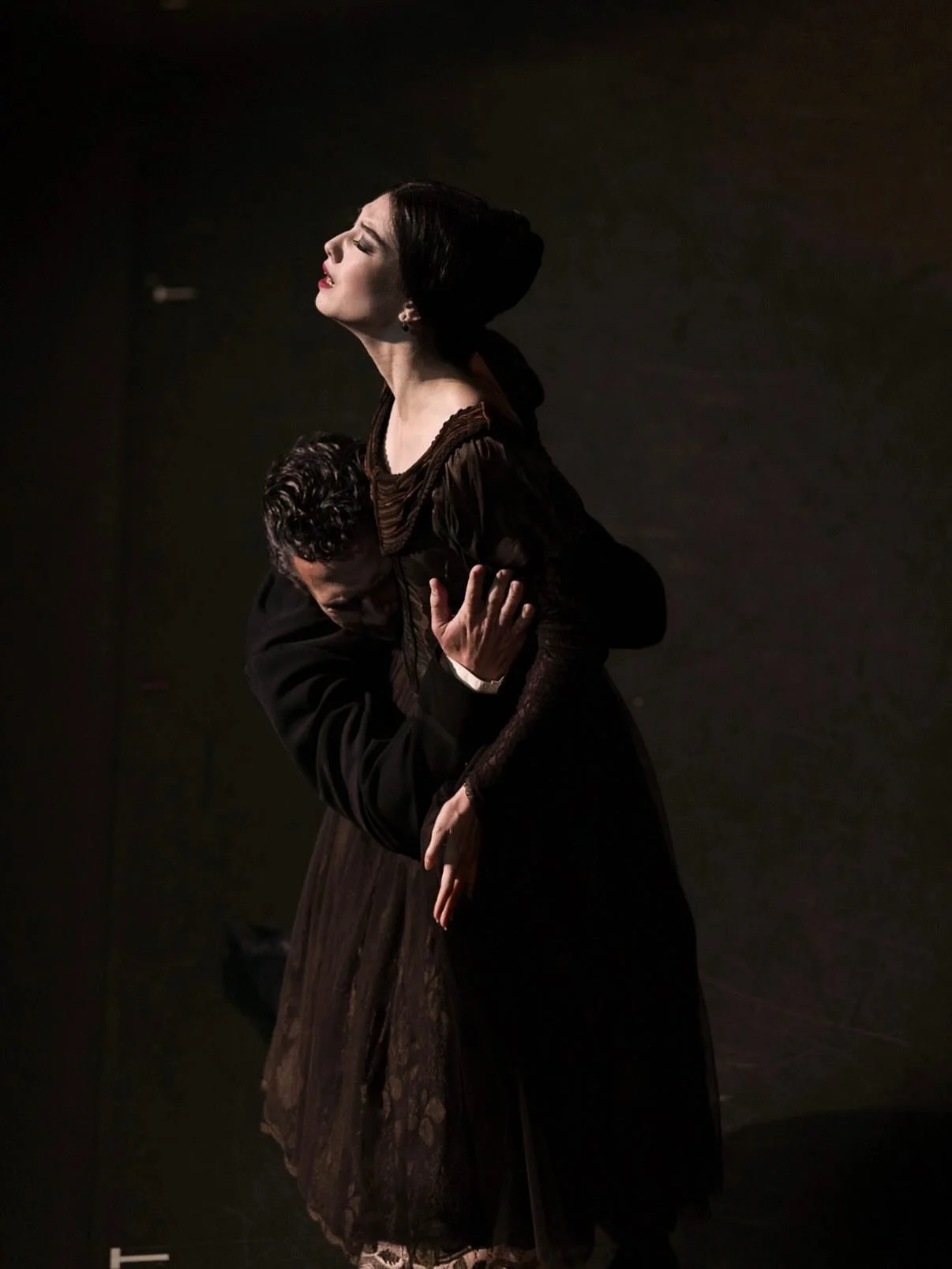
In their final scene, there was a nuanced sense of both transformation and authenticity, as Misseldine’s Tatiana displayed a queenly demeanor that seemed less like a façade rather than the development of who she already was. She and Forster were truly a thing to behold as the final moments saw Onegin desperately plea for her love, running a frenzied gauntlet of attempted connection through their articulate choreography, with fervor and heartbreak just as apparent as their technique.
by Zordan Photography
In the role of Lensky, Takumi Miyake was a source of great charm and romantic passion alike. His act one pas d’action with Olga was unfailingly sweet as the two went through energetic yet lyrical phrases. These emotional heights saw a splendid control as Miyake lifted Fleytoux to slowly roll over his shoulders as he turned, or later set her gently through a series of pendulous lifts as she seemed to relish in the beautiful partnered moments.
After challenging Onegin, Miyake related Lensky’s breaking heart to splendid effect as he was carried about the stage with fluid turns punctured by fierce developpés, or was seemingly crushed under the weight of his emotions as he ended this solo in a backbend which seemed to drive home all the gravity and anguish going through the poet’s heart. His moments rebuffing the desperate Olga and Tatiana did not fail to tug on one’s heartstrings as he lifted the ladies in circles away from him, or tried ways of disengaging himself altogether before being caught between them in sorrowful penchés. While Lensky’s death would cut short his later appearances, his brief resurgences as a ghost in Onegin’s mind held a strong impact for him and the audience alike.
As the popular Olga, Lea Fleytoux brought great amounts of vivacity which carried much of the earlier scenes as she and Lensky delighted in their affectionate pas d’action and later their appearance in the village dance. These playful qualities translated well into her actions during her nameday party, with her teasing of Lensky coming across as a joke played poorly rather than an actual attempt to hurt him. Through her time onstage, Fleytoux navigated the dramatic and choreographic challenges of Olga with a bubbly charm which belied the tragedy that would so powerfully cast a shadow on her remaining moments in the second act.
The corps de ballet also did much to flesh out the work. The country dance in the first act was a refreshing opener as the groups of men and women introduced themselves with cute, circling measures or more boisterous leaps before pairing off and delighting with exuberant figures. While the line of running jetés which closes this ensemble could have been tighter this night, it nonetheless remained impressive for its energy and sense of spectacle. The dances in the second act held a congenial flair as the couples waltzed about the friendly atmosphere that Onegin would soon dampen, and the sense of public spectacle was crucial for moments which would define characters such as Onegin’s rejection of Tatiana, or Lensky challenging his friend.
Thursday’s performance was gorgeous to watch and heartbreaking to experience, with Cranko’s neoclassical masterpiece being expertly delivered by the dancers and artists. The expertise and sensitivity displayed by Forster found excellent complement in the virtuosity and vulnerability of Misseldine, who could not have been showcased more wonderfully in my opinion. The soft, angelic whites of her costume in the first act seemed to suit her as well as the deep, queenly reds of the third act, with Misseldine bringing sincerity and strength to bring the most out of Tataiana’s arc as she is either crushed to the floor of the stage or sent soaring above it.
Only a few weeks remain in American Ballet Theatre’s summer season, with the company being set to continue with Minkus’ famous ‘Don Quixote.’ Lovers of dance will not want to miss these last performances as the talents of the artists imbue beloved works with a passion that make them feel as new and alive as ever.
-by Logan Martell